
Meet the Speakers
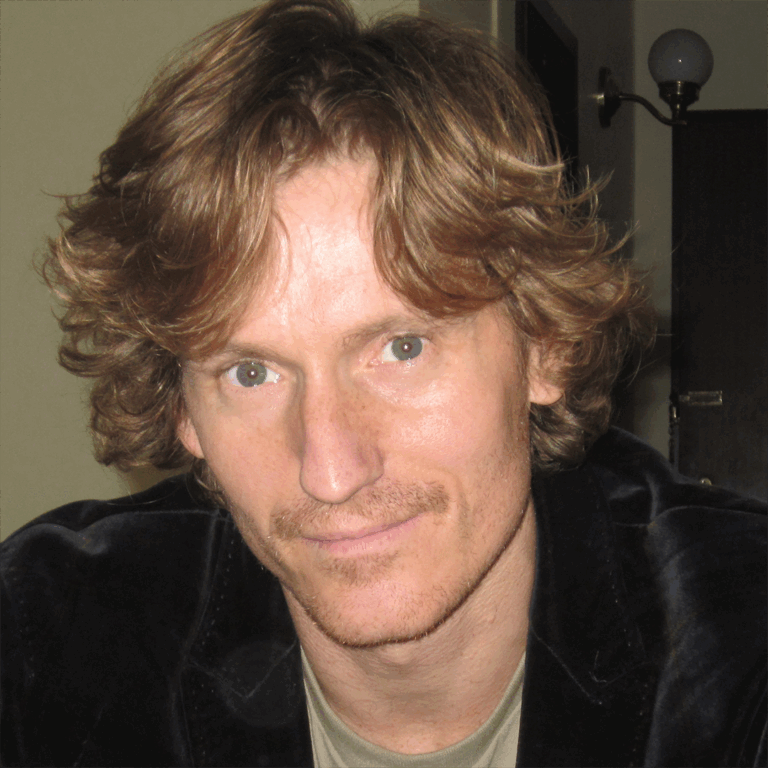
Dr Vincent Boerner
Founder, GHPC CONSULTING AND SERVICES PTY. LTD
Dr. Boerner holds a BSc in Agriculture, a MSc in Animals Science, and PhD in Quantitative Genetics. From 2011 till 2021, Dr. Boerner was working as a Researcher and Associate Professor at the Animal Genetics and Breeding Unit(AGBU), University of New England(UNE), Armidale, Australia, where he was the sole designer and developer of the linear model analysis software backing the Australian Beef and Sheep genetic evaluation. He also authored numerous scientific publications and invented two algorithms for marker based parentage verification and breed composition estimation. From 2019 till 2023 Dr. Boerner also held an Associate Professor position at the Center for Quantitative Genetics and Genomics, Aarhus University, Denmark. In 2021 Dr. Boerner founded GHPC CONSULSTING AND SERVICES PTY. LTD. which supports various organisations in the area of genetic evaluation and high performance computing.
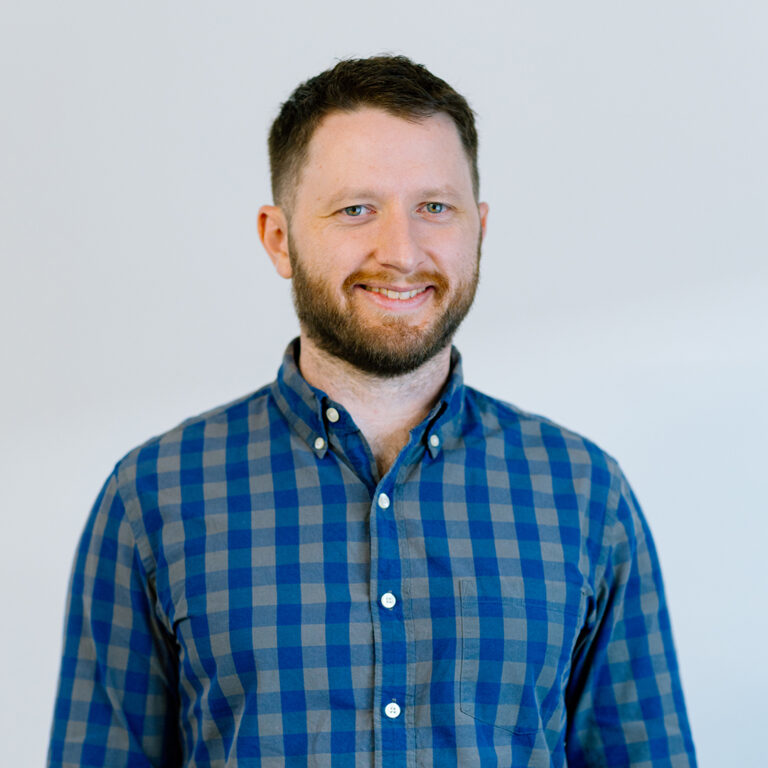
Daniel Garrick
Founder and CEO Helical
Dan Garrick is the founder of Helical, a genomic data platform developed in Rotorua, New Zealand. With a background in farming and a PhD in aerospace engineering, Dan recognised early that the mathematical methods used in genetic evaluation share strong parallels with those used in aerospace modelling.
He began working on large-scale genetic evaluations in 2017, developing the BOLT software that powers some of the world’s largest international beef cattle evaluations, including those run by International Genetic Solutions and the American Hereford Association.
Through that work Dan saw an industry need for more agile data infrastructure capable of supporting modern genomic pipelines and real-time prediction. Helical was developed in 2021 to meet that need and has since grown to support breed societies and livestock organisations across more than 40 countries.
Dan is passionate about applying systems-level thinking across the livestock value chain and shortening the pathway from cutting-edge research to practical tools used by breeders and producers.
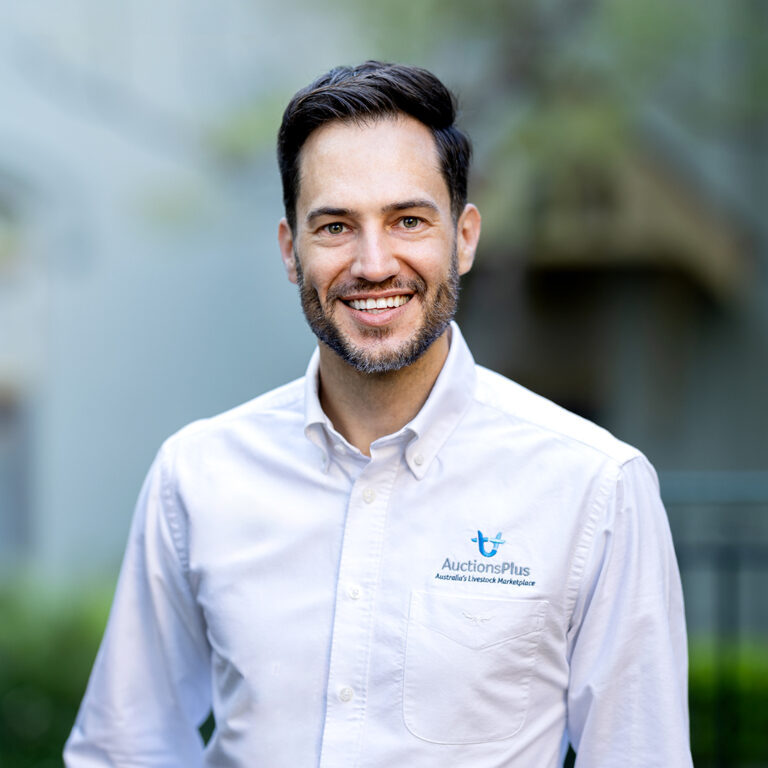
Wyn Snyman
Chief Executive Officer, AuctionsPlus
Wyn Snyman is the Chief Executive Officer of AuctionsPlus, Australia’s largest online agricultural marketplace.
For nearly 40 years, AuctionsPlus has connected the agricultural industry through a trusted digital auction platform, delivering transparent and efficient trading nationwide.
Since transitioning into the agriculture sector, Wyn has leveraged his commercial, financial, and technology expertise to help position AuctionsPlus at the forefront of the industry. Under his leadership, the business has experienced significant growth over the past three years, driven by product innovation, emerging technologies, and strong industry partnerships. He is focused on building a more efficient, transparent, and accessible marketplace that enables users to grow their businesses.
Wyn is a Chartered Accountant with an MBA and serves as a Non-Executive Director of the Mulloon Institute. He brings international experience across South Africa and the United States from his time with PwC and Europ Assistance (part of Generali).

Dr Samantha Allen
CEO Animal Health Australia
Dr Samantha Allan has been part of Animal Health Australia for over seven years, and CEO for the past two years. Dr Allan is a senior veterinarian and leader with extensive experience in managing complex biosecurity programs, and leading animal disease emergency preparedness and response activities across Australia. Prior to her roles at AHA, she worked in government veterinary roles as well as rural clinical practice in New South Wales, and South Yorkshire, England.
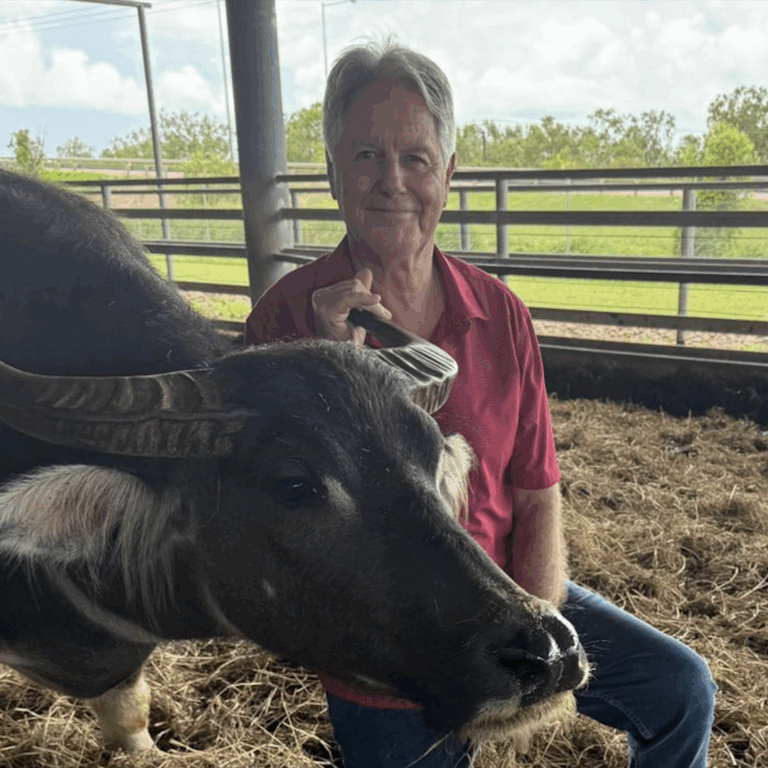
Dr Ross Ainsworth
Chief Executive Officer, Northern Territory Buffalo Industry Council Inc.
Ross Ainsworth is a veterinarian with 50 years experience in the Australian cattle industry.
2025/26 – CEO of the NT Buffalo Industry Council and other consulting work.
2024 – Biosecurity Veterinary officer with the NT Dept Agriculture
2011 – 2023 – Living and working in Indonesia providing services to the live cattle exporters and importers. Based in Lampung, Jakarta and Bali. Mainly working with imported feeder and breeder cattle to improve performance after arrival in Indonesia. 5 years with the Red Meat Partnership Breeding cow/calf support project. Author of the South-East Asian Beef report published by Beef Central.
1979 – 2011 – based in the Northern Territory. Activities ranged from government and private veterinary practice specialising in the preparation of cattle for live export, cattle station management and as CEO of Northern Territory Livestock Exporters Association.
1976 – 1978 – veterinary officer with the Victorian Department of Agriculture – Shepparton and Cobram.
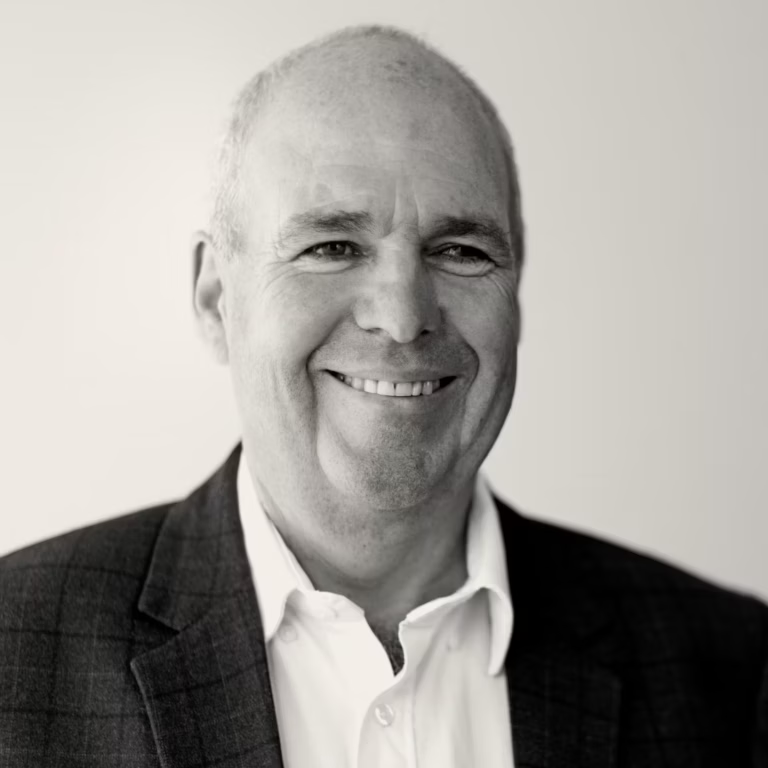
Charlie Mort
Executive Chairman, Director, Mort & Co
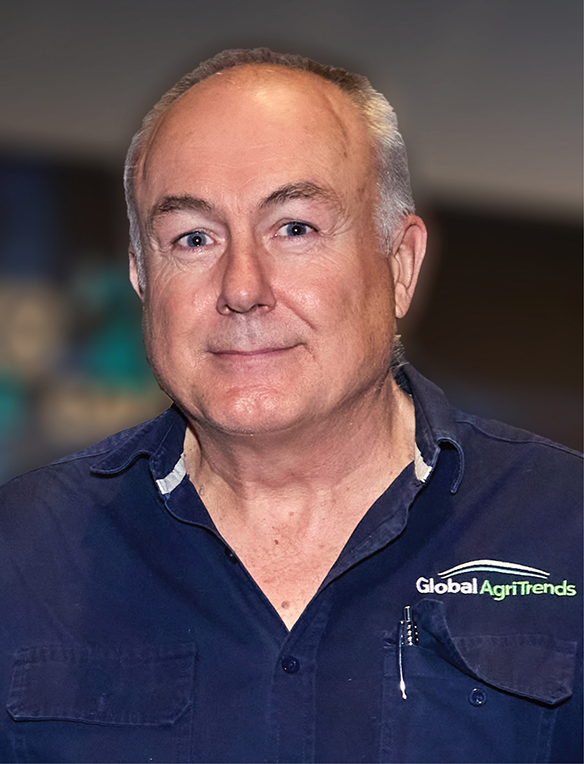
Simon Quilty
Global meat trader and analyst, Global AgriTrends
Simon Quilty is a global meat trader working in the global protein space spans nearly three decades of traveling the global protein world in capacities as a trader. Simon’s experience includes positions with Louis Dreyfus, ConAgra, DR Johnston and FC Stone.
Today, he is an independent meat and livestock analyst and also brokers swaps on behalf of large financial institutions in Australia and brokers physical meat products around the world working exclusively for a large international companies with interests across the global protein spectrum.
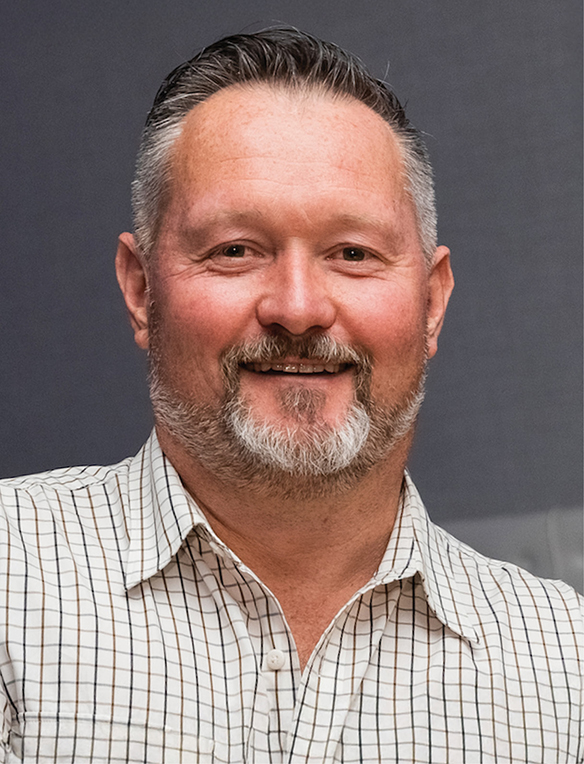
Matt Dalgleish
Director, Episode3.net
Matt is a director of Episode 3 and co-creator of the Agwatchers podcast. A graduate of Economics and Education Matt has had a keen interest in markets of all sorts from an early age. Matt has spent decades being involved in commodity and financial markets, including time spent trading equities, metals and foreign exchange.
Making the transition into agricultural market analysis in 2015 was an exciting opportunity, enabling Matt to use his data analysis and forecasting skills to provide commentary and strategic advice to the food manufacturing sector and the agricultural industry.
Matt has been an owner of a commercial pig farm near Bendigo and continues to operate a hobby farm on the outskirts of Ballarat. Matt has become a prominent agricultural market analyst, often quoted in the agricultural press and sought after for his independent, data driven assessment of commodity markets.
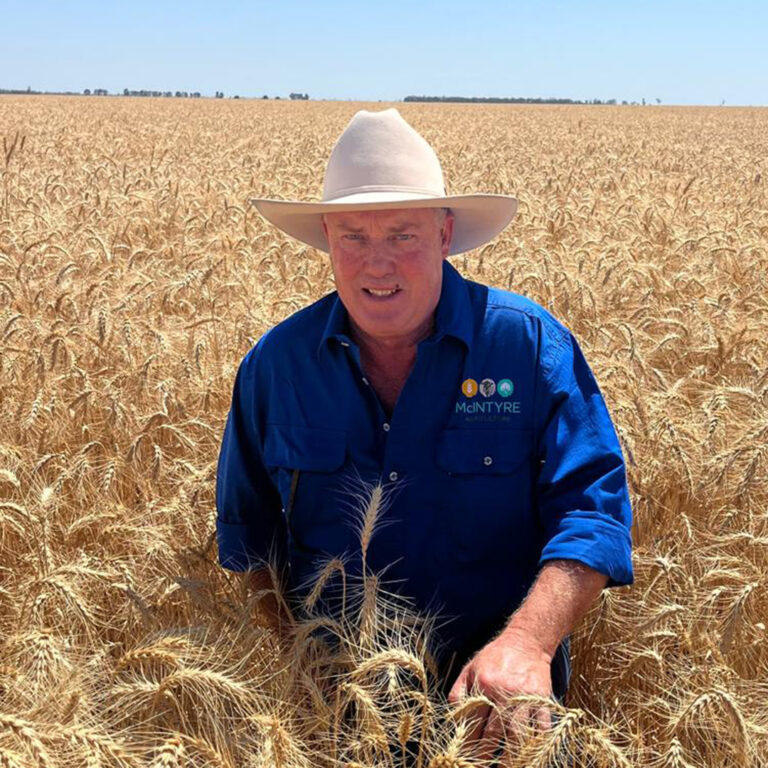
Hamish McIntyre
President, National Farmers’ Federation and Managing Director, McIntyre Agriculture
Hamish McIntyre is Managing Director of McIntyre Agriculture, a family-owned agribusiness operating across 236,000ha in Queensland. The enterprise integrates irrigated and dryland cropping, livestock breeding and feedlot operations, as well as a recent move into broiler chicken meat business. McIntyre Agriculture produces cotton alongside a range of grain, pulse and forage crops, complemented by Angus and Wagyu cattle, sheep, and rangeland goats.
Hamish was elected as President of the National Farmers’ Federation in October 2025 after serving as a NFF Director since 2023.
Hamish began his career as an agronomist before managing cotton and irrigation developments, later consulting for corporate agriculture investors. He trained at the University of Queensland and UNE and is a graduate of the Australian Rural Leadership Program. A former Cotton Australia Chair and Better Cotton board member, he currently holds board roles with the Australian Wagyu Association and Agsafe. He actively advocates and promotes Australian food and fibre both domestically and internationally.
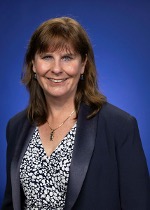
Catherine Raper
First Assistant Secretary and Australia’s Chief Negotiator Office of Global Trade Negotiations & AU-EU FTA Department of Foreign Affairs and Trade, Australia
Catherine Raper is First Assistant Secretary of the Office of Global Trade Negotiations at the Australian Department of Foreign Affairs and Trade, responsible for World Trade Organization (WTO), OECD and G20 Foreign and Trade Ministers processes. She is also Australia’s Chief Negotiator for the Australia-European Union Free Trade Agreement negotiations.
Previously she was Australian Ambassador to the Republic of Korea (2021-24) and Head of Post (Representative) at the Australian Office in Taipei (2014-17).
Earlier she served at the Australian Embassies in Washington and The Hague and at the Australian Permanent Mission to the WTO in Geneva.
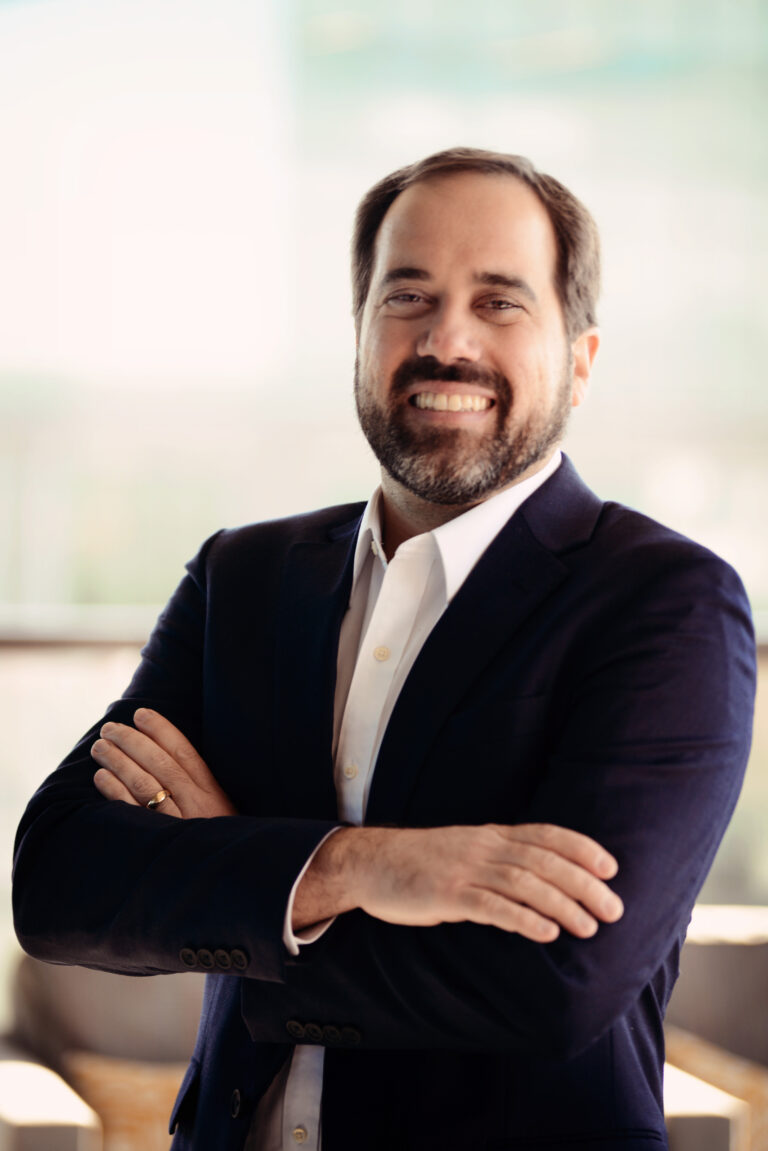
Bruno Valente Sanches
VP of Operations, Vytelle Advance
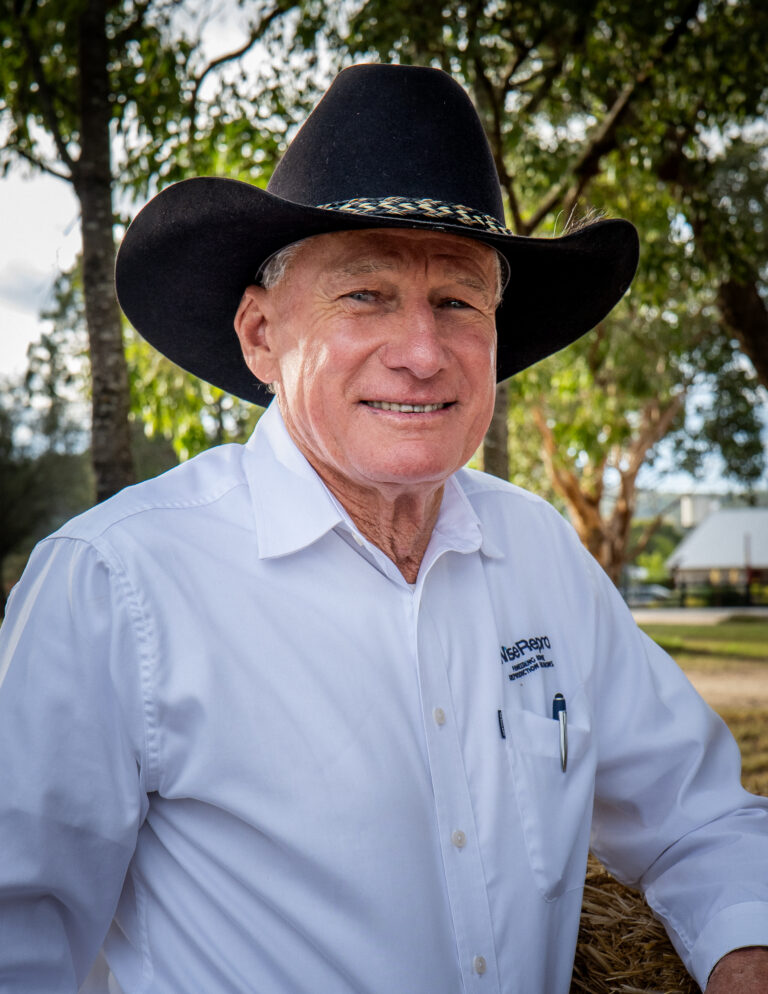
Dr Ced Wise
Head Veterinarian, Wise Repro
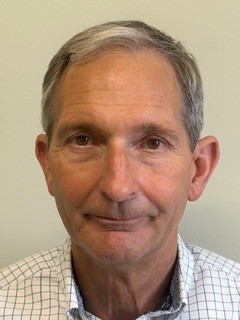
John Doyle
Managing Director & Consulting Nutritionist, Integrated Animal Production
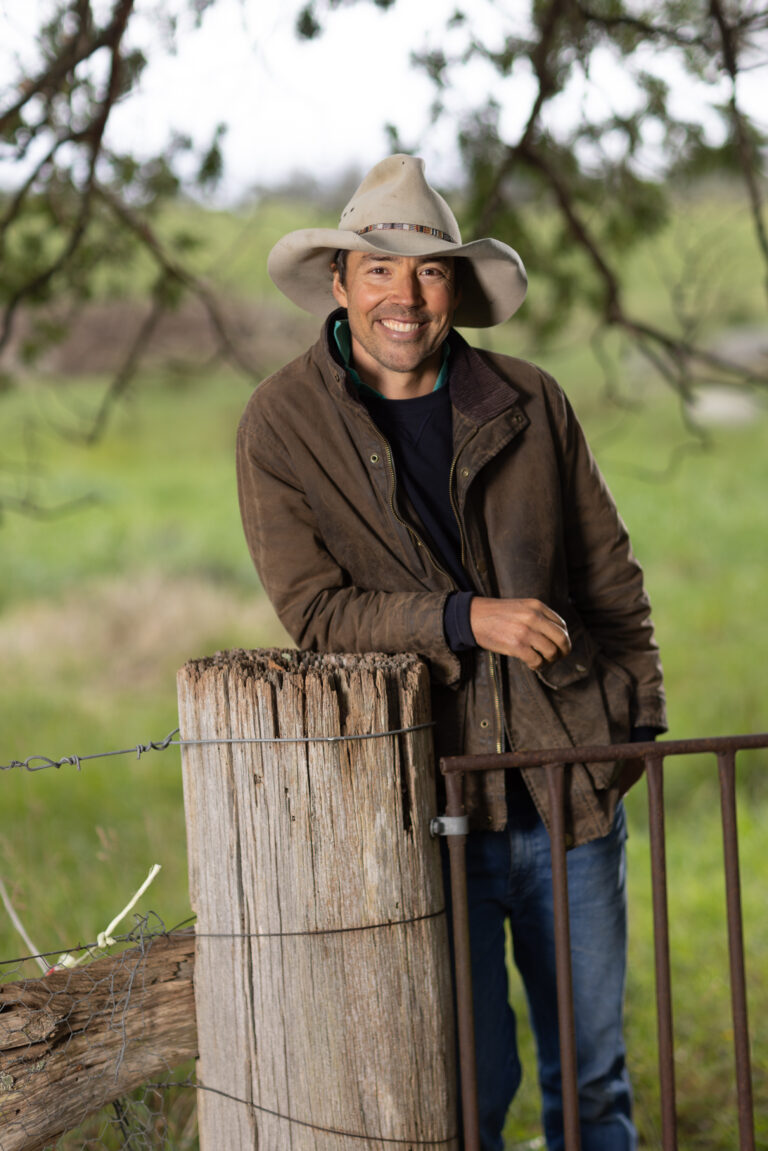
Charlie Perry
Trent Bridge Wagyu
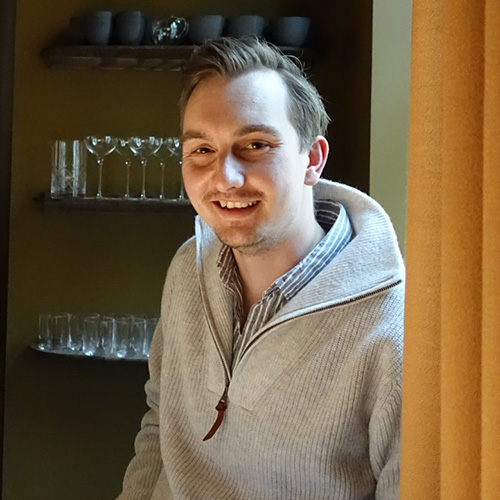
Sebastian Christensen
Norlin Wagyu
Sebastian Christensen is a first-generation farmer based in Denmark who has built a Wagyu herd from the ground up. The operation was established entirely through embryo transfer, with three donor females sourced from Australia. He initially studied business at university in Copenhagen before transitioning into Wagyu production, an interest sparked through experiencing Wagyu beef as a consumer.
To develop the necessary technical and management expertise, Sebastian spent a year working at a fullblood Wagyu operation in Australia, gaining hands-on experience to operate at a professional level in Denmark. The herd commenced on 1 May 2021 with seven recipient heifers and has since expanded to 120 head, including 80 fullblood Wagyu, with the balance remaining in the recipient herd.
The business now processes approximately one animal per month, supplying premium Wagyu beef to multiple Michelin-starred restaurants, including a venue ranked in the top five of the *World’s 50 Best Restaurants 2025.
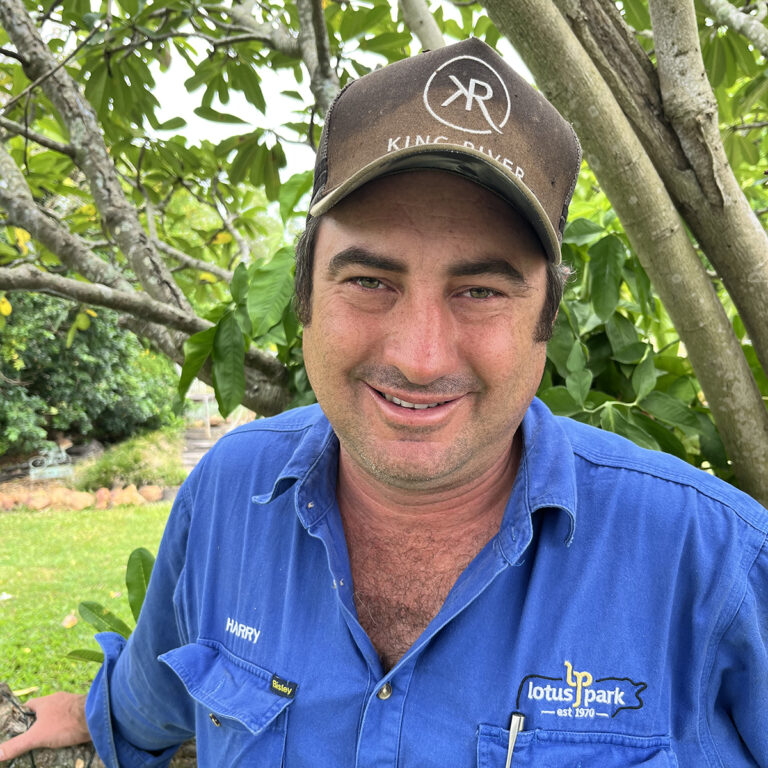
Harrison Kemp
Operations Manager, Lotus Park Ag & Director, and General Manager, King River Ag
Harrison Kemp (Harry) is a third-generation Queensland grazier and is the operations manager for his families breeding, backgrounding, and finishing operation of premium cattle in Central Queensland. In recent years Harry has been a Director of King River Ag a joint venture between the Kemp and Rich families. Harry is very passionate about vertically integrated “conception to consumption” model. His expertise spans the entire lifecycle from science-backed breeding and backgrounding to precise feedlot finishing. Harry and the King River team now market their award-winning beef to high-end restaurants and wholesalers in over 40 countries. Delivering the buttery, marbled excellence of Australian Wagyu to dining tables across the globe.
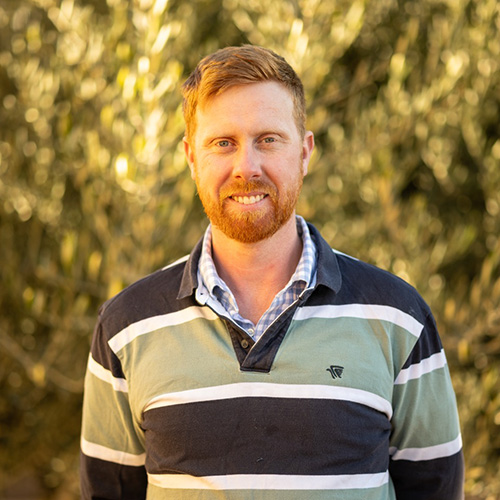
Joe Kerin
Operations Manager and Studmaster, Kerin Wagyu
Joe is the Operations Manager and Studmaster for Kerin Agriculture, overseeing the strategic management and day-to-day operations of the business’s three core enterprises: Kerin Poll Merino, Kerin Wagyu, and livestock trading. In this role, he is responsible for driving performance across breeding programs, herd and flock management, commercial trading activities, and the implementation of systems that support productivity, genetic progress, and long-term profitability.
Joe’s passion lies in breeding modern Wagyu stud cattle and unlocking their potential to efficiently convert grass into a premium, highly valued product. He is deeply focused on genetic improvement, data-driven decision making, and building cattle that meet the evolving demands of both domestic and international markets. Through careful selection, performance recording, and collaboration with clients and industry partners, Joe works to deliver genetics that enhance profitability and sustainability for his family’s business and the broader Wagyu industry.
Growing up in agriculture and now working across multiple livestock enterprises, Joe brings a practical, commercially focused approach to breeding and operations. He is driven by the challenge of balancing genetic excellence with real-world production systems, and is committed to helping clients achieve stronger on-farm outcomes through superior genetics, sound management, and transparent communication.
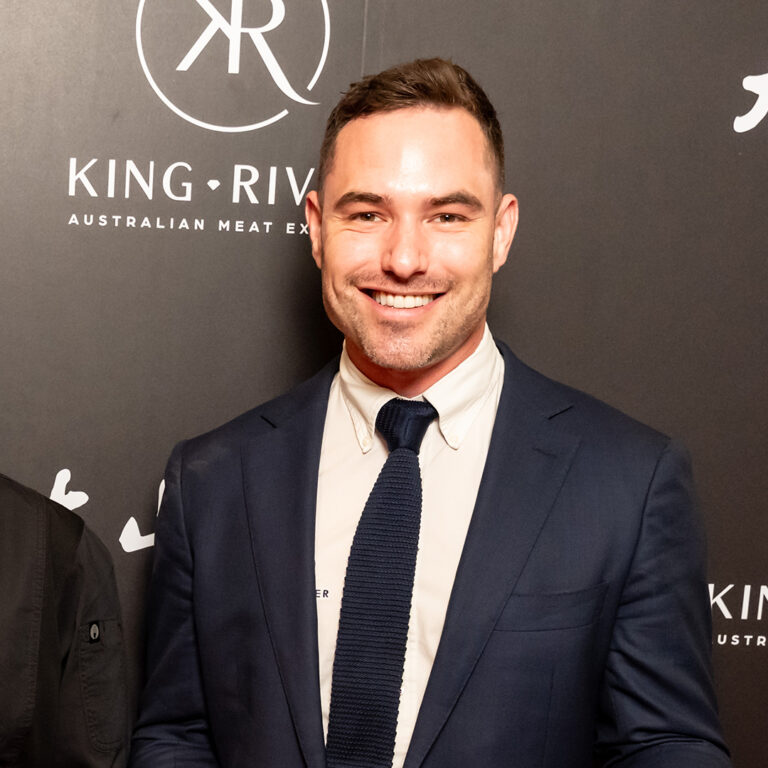
Josh Rich
General Manager, King River Ag
Josh Rich is General Manager of King River, bringing a practical understanding of cattle production and full carcass utilisation to the company’s strategic direction. Raised on the family’s cattle operation, he developed a strong respect for the livestock and the work behind every animal.
Combining hands-on agricultural experience with a background in agribusiness and international business, Josh focuses on ensuring King River honours its production foundations while building sustainable pathways to market. His leadership supports the continued growth of King River as a premium Australian Wagyu producer, grounded in integrity, long-term thinking, and respect for the supply chain.
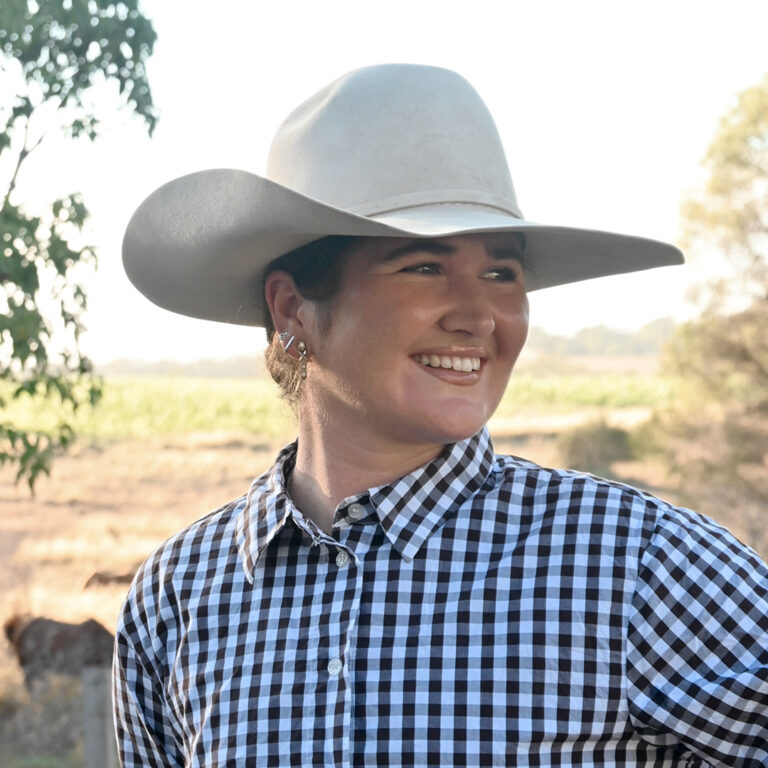
Jessie Macqueen
President, WagYouth
Jessie Macqueen works on her family’s cattle property in Millmerran, Queensland, where she is actively involved in breeding F1 Angus x Wagyu cattle. Growing up and working within the Wagyu industry, Jessie developed a strong passion for cattle genetics, production systems, and the long-term growth of the Australian Wagyu sector. Alongside her work on the family operation, she is the President and Co-Founder of Wagyouth, a young Wagyu breeders network established in 2024.
Wagyouth was created to connect and support the next generation of Wagyu producers aged 18–35. The organisation focuses on developing young breeders through opportunities to learn in the areas of business, leadership, and production logistics. As President, Jessie helps guide the group’s vision while creating opportunities for members to collaborate, learn from industry leaders, and build strong professional networks.
Jessie is passionate about strengthening the future of the Wagyu industry and empowering young producers to lead the next generation of beef production.
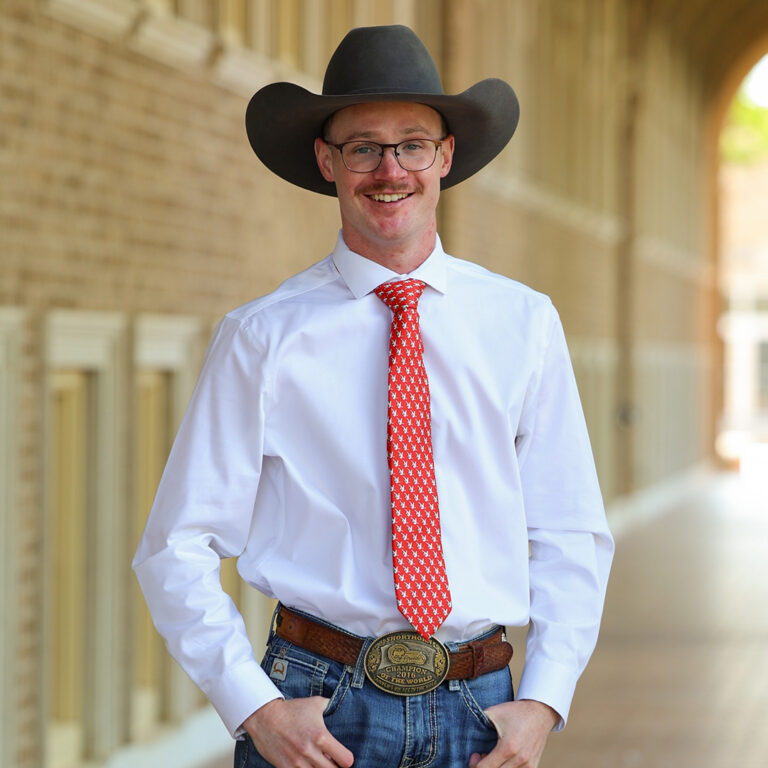
Cooper Carter
Graduate Research Assistant, Texas Tech University
Cooper Carter grew up on his family’s Shorthorn seedstock operation in Tumut, NSW, where he also established his own stud, Cooper Shorthorns. He attended Yanco Agricultural High School before moving to the United States in 2020 to pursue a degree in Animal Science at Texas Tech University. During his undergraduate studies, Cooper was a member of the meat, livestock and meat animal evaluation teams, worked in the university meat laboratory, and completed internships with JBS in plant operations and cattle procurement.
Cooper is currently completing a Master of Science in Animal Science at Texas Tech, with research focused on beef flavour and palatability. He is also conducting research alongside the Australian Wagyu Association, utilising 3D imaging technologies to reevaluate carcass conformation. In addition, he serves as Assistant Coach of the Texas Tech Meat Judging Team, contributing to recent team championships.
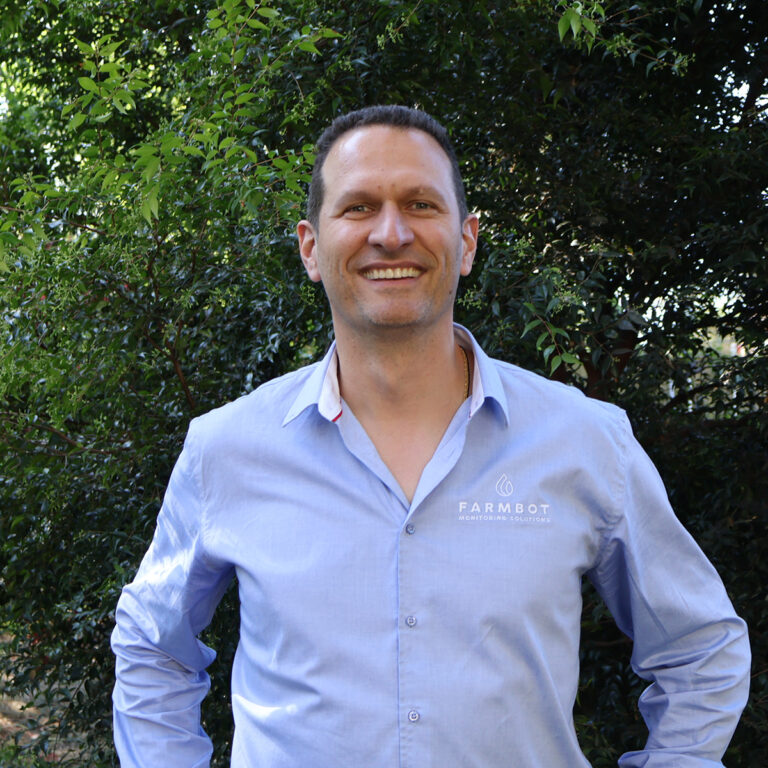
Davide Defendi
Chief Technology Officer, FarmBot
Davide Defendi is a seasoned CTO, entrepreneur, and technology leader based in Sydney, Australia, with over 20 years of experience building and scaling businesses across IT, marketing, supply chain, SaaS, IoT, algorithmic trading, and compliance-focused sectors.
He has launched and grown more than six startups, with three going public, including Wine Depot (Digital Wine Ventures), which he helped scale from a $10M to over $250M market cap through strategic technology vision, innovation, and active merger/acquisition strategies that consolidated operations to around 150 staff.
His expertise extends to high-growth environments, where he has driven triple-digit annual revenue increases and quadrupled team sizes. He advises on sustainable scaling, warning against premature growth and advocating for foundational stability before expansion, often highlighting the art of scaling service-based businesses while managing processes, hires, and systems. He also stresses the importance of mindset evolution in high-growth phases, shifting from tactical decision-making to strategic leadership to handle increasing complexity.
In compliance and regulatory domains, Defendi has deep experience mitigating risks in cybersecurity, data security, governance, and environmental disposal, including navigating ASX regulatory requirements through board roles and executive positions in listed companies.
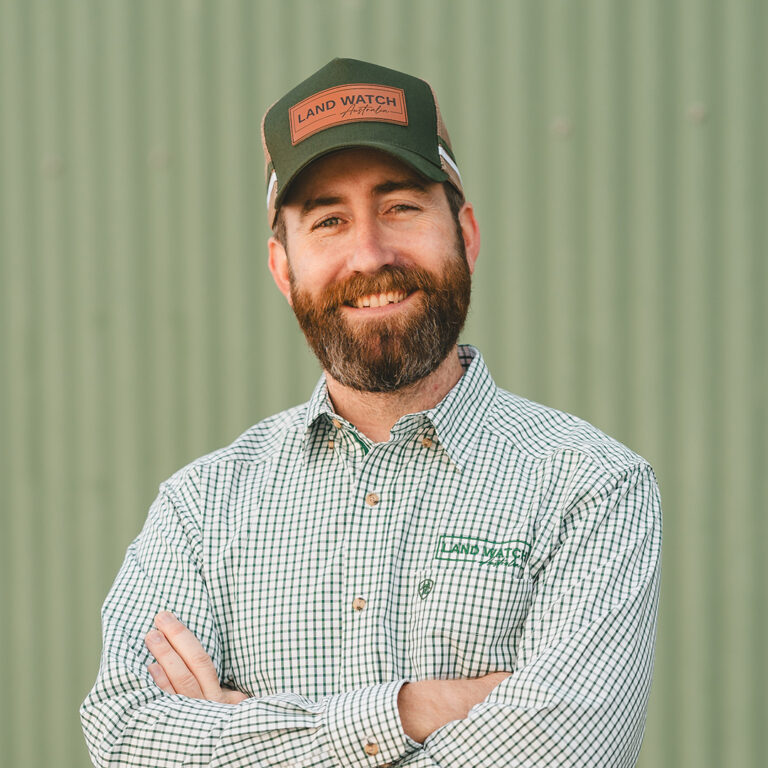
John Hill
Co-Founder & Chief Storyteller, Land Watch Australia
John Hill is the Co-Founder and Chief Storyteller of Land Watch Australia, the leading on-farm security monitoring product. Based on Queensland’s Sunshine Coast, John and his brothers lead the Land Watch team in delivering purpose-built camera systems to rural Australia.
John is deeply passionate about all aspects of agriculture and the innovative use of technology on farms. He is particularly focused on how these advancements can enhance safety and efficiency for producers. Motivated by a desire to share his insights on crime prevention, John provides a unique perspective from his position at the forefront of on-farm security.
As head of the sales and marketing team at Land Watch, John has one clear objective: to educate rural Australia on how to protect what matters most. His leadership and vision have led Land Watch to become the market leader in the category and the trusted name in rural security solutions.
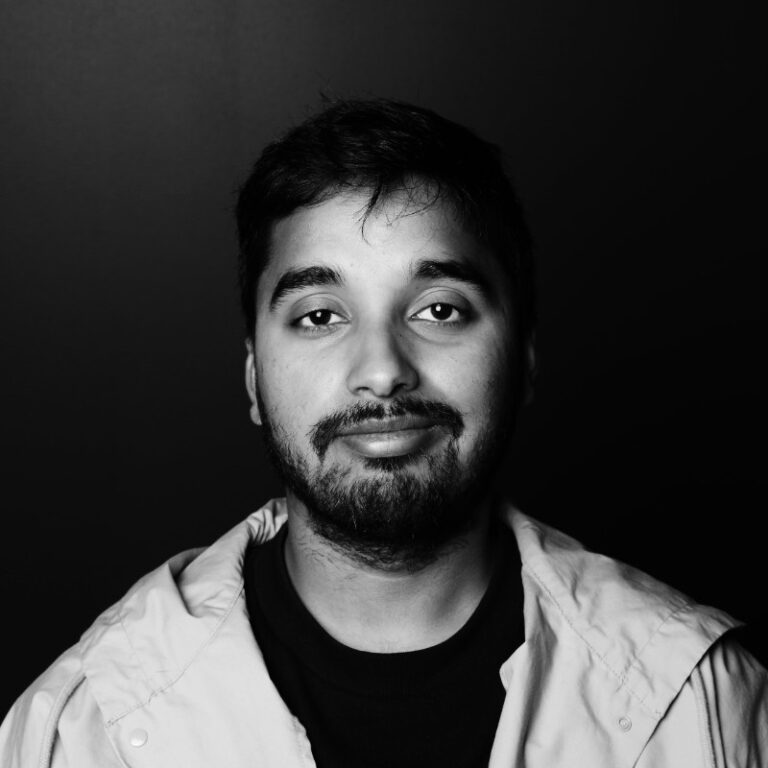
Sid Goutam
Head of Technology Strategy Animal Management, Gallagher
Sid Goutam is the Head of Technology Strategy for Gallagher Animal Management, one of the world’s leading agritech companies. He leads technology and platform strategy across product, design, engineering, and data for Gallagher’s future of farm operating system, bringing together virtual fencing, satellite pasture intelligence, and in-paddock sensing technologies into a single integrated system that delivers insights and automation to livestock producers.
Sid played a central role in developing eShepherd from an early-stage prototype into a commercially deployed virtual fencing product and is now leading AI adoption across Gallagher’s animal management business, both as an internal capability accelerator and as a source of direct customer value. His focus is on helping farmers make better decisions faster by turning the rich data generated by connected devices into practical, real-time intelligence.
With over a decade at Gallagher spanning electronics engineering through to technology strategy, Sid brings a rare combination of deep technical expertise and farmer-first product thinking to the conversation around AI in premium beef production.