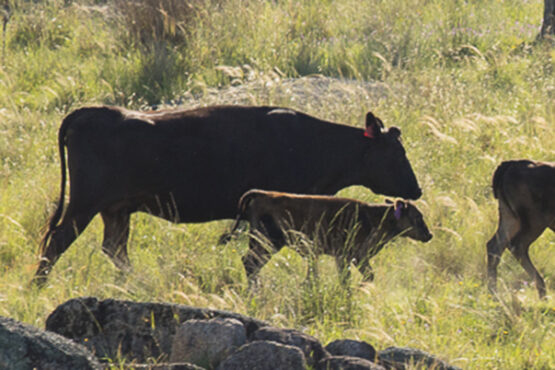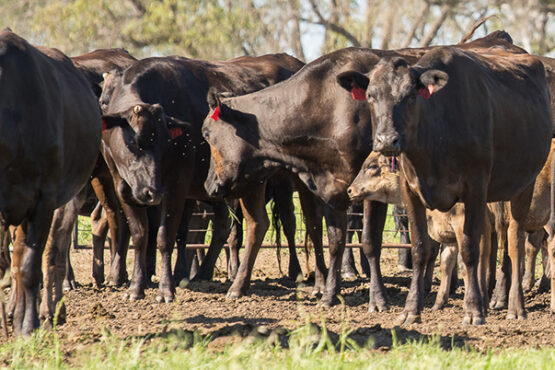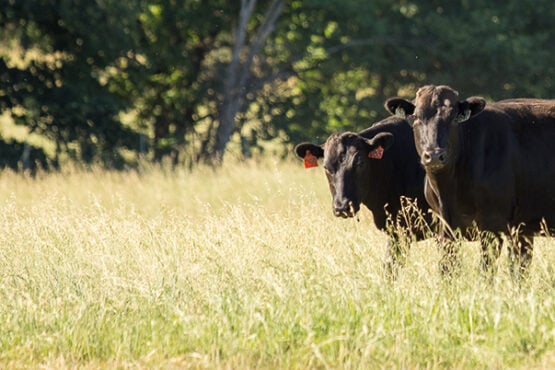
Wagyu Breeding Values (WBVs) are tools that help Wagyu breeders make better informed, genetic-merit based decisions for their breeding programs. The global Wagyu population is making consistent genetic gain year-on -year for many traits reported in the AWA genetic evaluation. AWA’s WBVs are breeding tools to assist breeders to make gain in genetic merit through successive generations and we are seeing the commercial results of this improvement through increasing marble score, eye muscle area and carcase weight year on year, with shorter days on feed.
Because WBVs are estimates built from all available information, they may naturally change over time as new data enters the evaluation. Every weight record, scan, carcase result, pedigree update (new animal added), genomic test, or related animal performance record adds to the understanding of each animal’s genetic merit. These updates do not mean the animal has changed, only that the estimate describing its genetics has become more accurate through the addition of new data.
A recent example of this is the addition of around 1000 new Fullblood carcase data records for slaughter registered animals. This carcase data was included in the WBV evaluation published on the 4th March 2026 and caused some natural data-driven WBV changes (up or down) for the direct animals and their relatives, along with WBV accuracy increases.
WBVs can also shift when enhancements are made to the evaluation model itself and may involve some previously ‘proven’ type animals. This was the situation with the recent transition from EBVs to WBVs (this is further explained in a previous FAQ – CLICK HERE). As research advances, better ways of describing traits, modelling performance traits, accounting for environmental effects, and incorporating genomic information are introduced. These system updates are designed to increase accuracy across the breed. Although WBVs may change when a new model is implemented, the outcome is always to have a more reliable prediction of genetic merit.
In addition, the Wagyu breed as a whole is genetically progressing, and WBVs are always expressed relative to the current population, particularly on the percentile rank basis. As the Wagyu population improves, the reference population is updated to include contemporary animals, causing some animals to reposition on a percentile basis even if their own data has not changed (this is further explained in a previous FAQ CLICK HERE.)
Because WBVs are estimates that evolve with more information, breeders can actively manage the risk of WBV movement within their programs. One of the most effective tools is paying close attention to accuracy values alongside the WBVs themselves. Accuracy reflects the amount of information behind each estimate and indicates how likely an EBV is to change in the future. Young or animals with limited data (i.e. short pedigree, no genotype, limited performance data) in the evaluation have lower accuracy and therefore a higher chance of movement. In contrast, older animals with progeny data, or genotyped animals that are well related to the Wagyu genotype and phenotype refence population, tend to have higher accuracy and more stable WBVs. When selecting sires or making breeding decisions, considering both the WBV and its accuracy allows breeders to balance opportunity with risk.
Another important strategy is taking a team approach rather than relying or focussing heavily on an individual young or low accuracy animals. Using a team (or population) approach naturally spreads the genetic risk, reduces the impact of unexpected WBV changes for any single animal and creates a more stable pathway for herd improvement. For example, figure 1 shows that the WBV accuracy of a team, is much greater than an individual, with this example based on an individual with an WBV of 50% accuracy.

Figure 1. Considering a team approach will reduce the risk of WBV change, through higher accuracy for the’ team’ compared to the individual (graphic based on an individual EBV accuracy of 50%).
From a sire perspective, a ‘team’ may combine proven, high accuracy sires with younger genomically tested sires that offer fresh genetic options. Distributing matings across several bulls ensures no single WBV adjustment has an outsized impact on herd direction.
Finally, breeders can contribute to WBV stability, particularly to their own herds, by actively recording effective performance data and genomically testing. Submitting accurate weights, scans, and carcase results, and genotyping animals, strengthens the evaluation and accelerates the accuracy of WBVs for the entire population. The greater amount of higher quality information that feeds into the system, the more dependable and less volatile WBVs become.
In summary, WBV changes are normal and reflect the continuous improvement of both the data and the evaluation system. By understanding why WBVs shift including evaluation model enhancements, paying attention to accuracy, using a team approach strategy and recording effective data, Wagyu breeders can confidently navigate WBV changes and use them to strengthen their breeding programs.